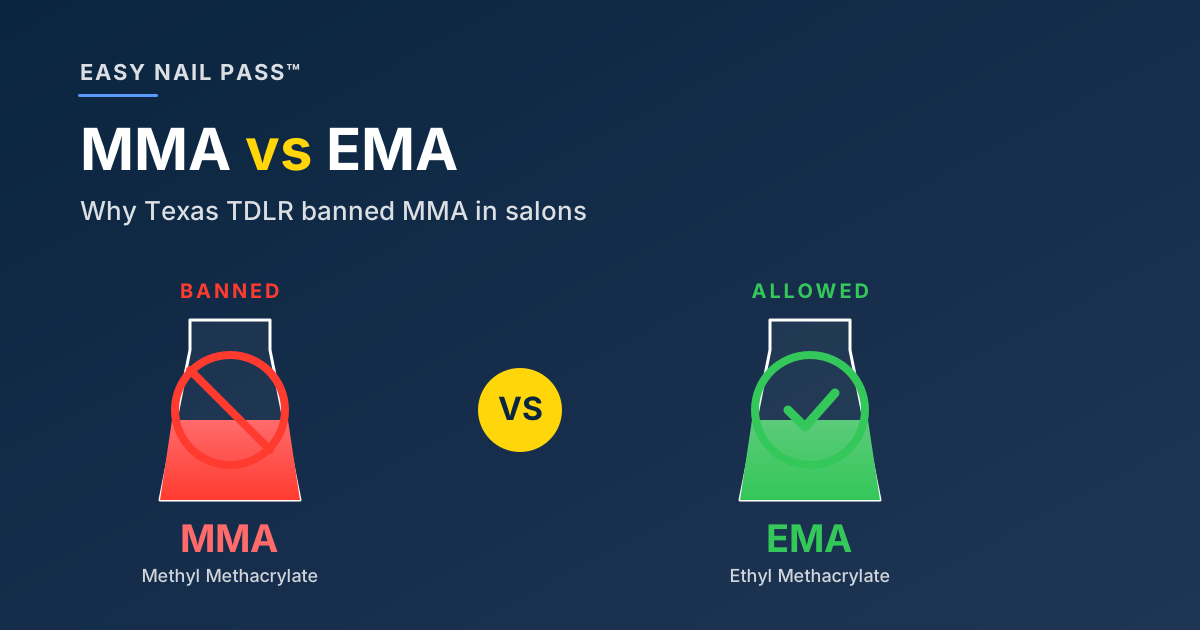
MMA vs EMA: Why Texas Banned MMA in Nail Salons


Two letters that matter a lot: MMA vs EMA
Walk into any nail supply shop and you'll see jugs of clear monomer liquid for acrylic application. They look identical. But there's a critical difference: is it MMA (methyl methacrylate) or EMA (ethyl methacrylate)? In Texas, that one-letter difference can cost a salon its license.
The chemistry, in plain English
Both are methacrylate monomers — liquids that, when mixed with acrylic powder, harden into the rigid plastic that becomes your client's enhancement.
- MMA was originally developed for industrial and dental uses — bone cement, denture repair. It is extremely hard and bonds aggressively.
- EMA was developed specifically for cosmetic nail use. It still creates a strong, durable enhancement, but it is more flexible and removes safely.
Why MMA is dangerous on natural nails
MMA bonds too well. When applied to a natural nail, the MMA enhancement is harder than the nail underneath. If you bump or catch the enhancement, the nail plate rips off the bed before the MMA cracks. The result: torn nails, exposed nail bed, and risk of bacterial or fungal infection that can take months to heal.
Beyond physical damage, MMA also causes:
- Allergic contact dermatitis around the cuticle and finger
- Respiratory irritation from vapors (worse in poorly ventilated salons)
- Permanent nail plate thinning and damage from repeat exposure
- Slower, more painful removal — MMA cannot be soaked off in acetone the way EMA can
The U.S. Food and Drug Administration issued warnings about MMA in nail products as far back as the 1970s, leading most U.S. states — including Texas — to ban it for nail use.
What TDLR says
The Texas Department of Licensing and Regulation prohibits the use of liquid MMA in nail enhancement products. This appears on the written exam in the Texas Laws & Regulations section, and inspectors do check for it during salon inspections.
Penalties can include fines for both the technician and the salon owner, and in repeat or severe cases, license suspension or revocation. Always verify current TDLR rule language at the source — administrative rules can be amended.
How to spot MMA in a salon
Manufacturers of MMA products often hide it. Watch for these red flags:
- Smell: MMA has an unusually strong, harsh, "fishy" or chemical odor — much stronger than typical EMA.
- Price: jug-sized monomer for $20 or less is suspicious. Quality EMA monomer is significantly more expensive.
- No clear label: legitimate EMA products clearly say "EMA" or "ethyl methacrylate" on the SDS (safety data sheet). If the supplier refuses to provide an SDS, walk away.
- Extremely hard service: MMA enhancements feel almost glass-like and are very difficult to file or remove.
What to use instead
Stick with EMA-based monomers from reputable cosmetic brands. Other safe options that have grown in popularity include:
- UV/LED gel polish systems
- Polygel (a hybrid of acrylic powder and gel)
- Dip powder systems with cyanoacrylate-based bonders
None of these substitutes are perfect — gels need proper UV curing, dip powder needs careful sanitation between clients — but all of them are legal and far safer than MMA.
This will appear on your exam
Expect at least one or two questions on the MMA ban, the difference between MMA and EMA, and TDLR's rule on prohibited substances. You may also see questions about chemical safety, ventilation requirements, and Material Safety Data Sheets (MSDS / SDS).
Practice these laws now
Texas law questions are some of the easiest points on the exam — if you have studied the specific rules. Browse our Texas Laws & Regulations category for targeted practice on MMA, ventilation, blood-spill protocols, and license display rules. The first 10 questions are free, in four languages.
Quiz yourself on Texas laws now →